
- Roof Repair and Maintenance
Table of contents
- 1.Understanding the Benefits of Solar Roof Ventilation
- 2.How Solar Roof Ventilation Systems Work: A Technical Overview
- 3.Comparing Solar Roof Ventilation with Traditional Venting Solutions
- 4.Step-by-Step Guide to Installing a Solar Ventilation System on Your Roof
- 5.FAQs: Cost, Maintenance, and Effectiveness of Solar Roof Ventilation
Understanding the Benefits of Solar Roof Ventilation
When it comes to maintaining the health and efficiency of your home, ensuring proper roof ventilation is crucial. Among the various options available, solar roof ventilation stands out for its ability to leverage renewable energy to improve air circulation and regulate temperature within your attic and upper floors. This innovative solution not only contributes to a more comfortable living environment but also offers significant savings on energy costs over time.
Solar roof ventilators operate by extracting hot air and moisture from your attic space during the warm months, effectively reducing the burden on your air conditioning system and thereby lowering your energy bills. In cooler seasons, these ventilators help to minimise moisture accumulation, a common contributor to mould growth and structural decay. The beauty of using solar power for this purpose lies in its self-sufficiency and eco-friendliness; the system harnesses sunlight to function, requiring no additional electricity and emitting no pollutants.
Another remarkable advantage of solar roof ventilation is its ease of installation and maintenance. Designed to be both durable and efficient, these systems can typically be installed on most roof types by professionals, such as those at Gold Coast Local Roofers, without the need for extensive modifications. Once in place, solar roof ventilators operate silently and with little to no need for maintenance, making them an ideal solution for homeowners looking to enhance their property’s sustainability and comfort.
In addition to individual benefits, adopting solar roof ventilation contributes to broader environmental efforts by reducing reliance on non-renewable energy sources and decreasing househould carbon footprints. As part of a comprehensive approach to roof health and energy efficiency, solar roof ventilation not only optimises home comfort but also aligns with global sustainability goals, making it a wise investment for both the present and future.
How Solar Roof Ventilation Systems Work: A Technical Overview
Solar roof ventilation systems represent an innovative solution for regulating the temperature and air quality within your home or commercial space. At its core, this green technology harnesses solar power to operate fans that effectively exhaust hot and stale air from the attic or roof space, promoting a more comfortable and energy-efficient environment. Through a seamless integration of solar panels and ventilation units, these systems work autonomously, requiring minimal maintenance and no operational costs post-installation.
The process begins when the solar panel, typically installed on the rooftop, captures sunlight and converts it into electricity. This power is then used to run a fan motor within the ventilation unit. The beauty of solar roof ventilation systems lies in their ability to function without tapping into your home’s electrical grid, making them an eco-friendly option that contributes to lowering your overall energy consumption. As the sun rises and intensifies throughout the day, the system’s efficiency peaks, aligning perfectly with the times when your roof space is most in need of ventilation.
Key components of these systems include a solar panel, a fan, a thermal switch, and a series of vents. The solar panel’s size and the fan’s capacity are matched to the specific needs of your roof space, ensuring optimal performance. For enhanced control, many models come equipped with a thermal switch that activates the fan only when the attic’s temperature reaches a predetermined threshold, thus avoiding unnecessary energy use during cooler days or seasons. Vents play a crucial role in this setup, allowing the continuous flow of fresh air into the attic while the hot, humid air is expelled through the fan, maintaining a balanced and healthy environment.
The efficiency and effectiveness of solar roof ventilation systems significantly depend on proper installation and component sizing. Gold Coast Local Roofers specialises in not only ensuring the solar panels and fans are correctly positioned for maximum sun exposure and airflow but also in customising the system to meet the unique demands of your property. By tailoring these systems to the specific characteristics of your roof, we provide an environmentally friendly solution that enhances indoor air quality and contributes to your comfort and wellbeing without the burden of additional energy costs.
Comparing Solar Roof Ventilation with Traditional Venting Solutions
When it comes to maintaining a comfortable and energy-efficient home, proper roof ventilation cannot be emphasized enough. There are various methods to achieve this, but solar roof ventilation and traditional venting solutions stand out as the primary options. Each approach has its merits and considerations, and by comparing them, homeowners can make an informed decision that suits their roofing needs.
Solar roof ventilation operates by utilising the power of the sun to drive fans that actively ventilate the attic and roof space. This method stands in contrast to traditional passive venting solutions, such as soffit vents, ridge vents, and gable vents, which rely on natural air flow to work. One of the key advantages of solar-powered vents is their ability to operate at maximum capacity during the hottest times of the day, directly correlating their performance with the sun’s intensity and thereby efficiently reducing attic temperatures.
Efficiency and Cost Considerations
The efficiency of solar roof ventilation systems is one of their most appealing attributes. By significantly reducing the heat build-up in the attic, these systems can lower the workload on air conditioning units, potentially leading to considerable energy savings, especially in warmer climates. Conversely, traditional venting solutions, while low in upfront costs and maintenance, may not be as effective in reducing attic temperatures, especially during peak heat conditions. The initial investment in solar vents might be higher, but the potential for energy savings and reduced wear on HVAC systems can justify the cost over time.
Environmental Impact and Aesthetic Appeal
Another factor to consider is the environmental impact of each venting option. Solar roof vents offer a green solution by leveraging renewable energy, thus reducing the dependency on fossil fuels and lowering carbon footprints. Moreover, these units are often sleek and less intrusive, blending well with modern roof aesthetics. On the other hand, traditional ventilation methods, while effective in certain scenarios, do not provide the same level of environmental benefits or design flexibility. Depending on the type and number of traditional vents installed, they could disrupt the aesthetic cohesion of the roof.
Step-by-Step Guide to Installing a Solar Ventilation System on Your Roof
Installing a solar ventilation system can be a game-changer for maintaining a comfortable temperature in your home while reducing energy costs. This eco-friendly solution harnesses solar power to improve airflow and eliminate heat and moisture from your attic or roof space. Follow this guide for a straightforward installation process.
Preparation and Safety Measures
Begin by ensuring you have the necessary tools and a complete solar ventilation kit. Safety must be your priority, so equip yourself with a sturdy ladder, safety harness, gloves, and goggles. Before starting, it’s crucial to check your roof’s condition and compatibility with a solar ventilation system. Identify the optimal site for installation - usually the sunniest part of your roof.
Mounting the Solar Vent
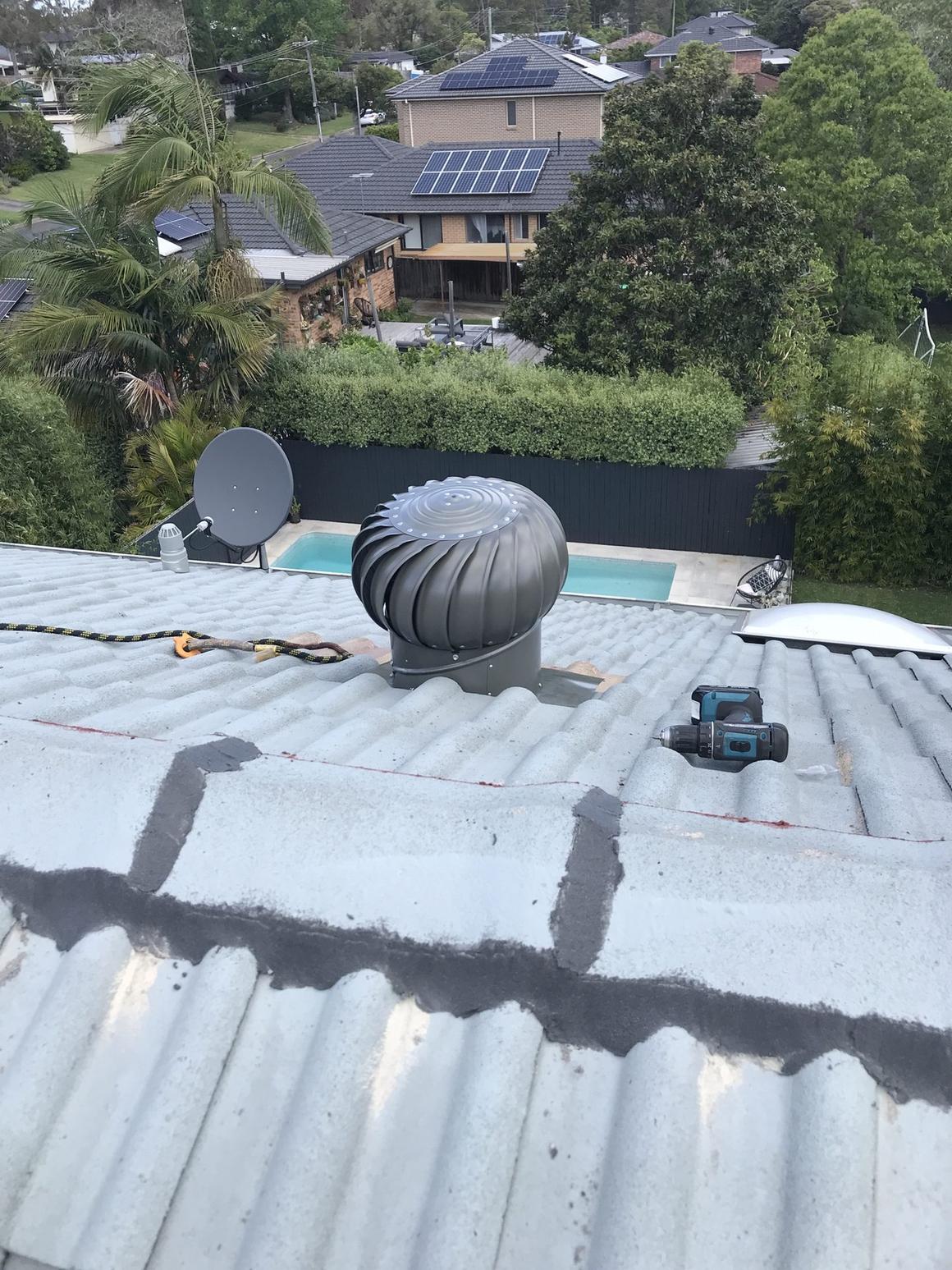
With the preparation done, it’s time to mount the solar vent. Carefully measure and mark the area where the vent will be installed. Cut a hole following the size specifications provided by your solar vent model - this is usually done with a reciprocating saw. Remember to wear your safety gear to prevent injuries. Next, slide the solar vent into the hole, ensuring it fits snugly.
Securing and Sealing the Vent
The final steps involve securing the solar vent to your roof and ensuring it is waterproof. Fasten the vent with the screws provided and apply a generous amount of roofing sealant around the edges to prevent leaks. Pay special attention to seal every joint and overlap, as even small gaps can allow water intrusion. Once the vent is firmly in place and the sealant has dried, your solar ventilation system is ready to function, harnessing the sun’s power to keep your living space comfortable year-round.
FAQs: Cost, Maintenance, and Effectiveness of Solar Roof Ventilation
Solar roof ventilation systems have become increasingly popular among homeowners looking to improve their home’s energy efficiency and comfort. With the rising interest, several common questions arise regarding the cost, maintenance, and effectiveness of these innovative ventilation solutions. Understanding these aspects can help homeowners make informed decisions on whether solar roof ventilation is right for their property.
How Cost-Effective Are Solar Roof Vents?
The initial installation cost of solar roof vents can be higher than traditional powered vents, but they often pay for themselves over time through reduced energy bills. Solar vents operate without any external power source, harnessing sunlight to power the fan motor. This can significantly reduce cooling costs during warmer months by expelling hot air from the attic, leading to a noticeable decrease in your home’s overall energy consumption. Additionally, many homeowners find that the added benefit of increasing their property’s value and the potential for government incentives for green energy solutions further enhances the cost-effectiveness of solar roof ventilation systems.
Maintenance Requirements for Solar Roof Ventilation
Maintenance is a key consideration for any roofing system. Fortunately, solar roof vents require minimal maintenance compared to their electric counterparts. Without the need for wiring or external power sources, these systems are less prone to malfunctions and wear and tear. Regular checks to ensure the solar panels are clean and free from debris can help maintain optimum performance levels. It’s also important to inspect the fan and ensure that it’s running smoothly without obstruction, which typically involves simple visual inspections a few times a year.
Effectiveness of Solar Roof Ventilation Systems
The effectiveness of solar roof ventilation systems is often a point of significant interest for homeowners. These systems are not only effective in reducing attic temperatures during hot seasons but also in preventing moisture buildup during colder months, which can lead to mould and mildew problems. By maintaining a more consistent attic temperature, solar vents can help prolong the life of roofing materials and reduce the risk of ice dam formation in winter. Moreover, by utilising a renewable energy source, solar vent systems offer an eco-friendly way to enhance your home’s comfort and air quality year-round.