
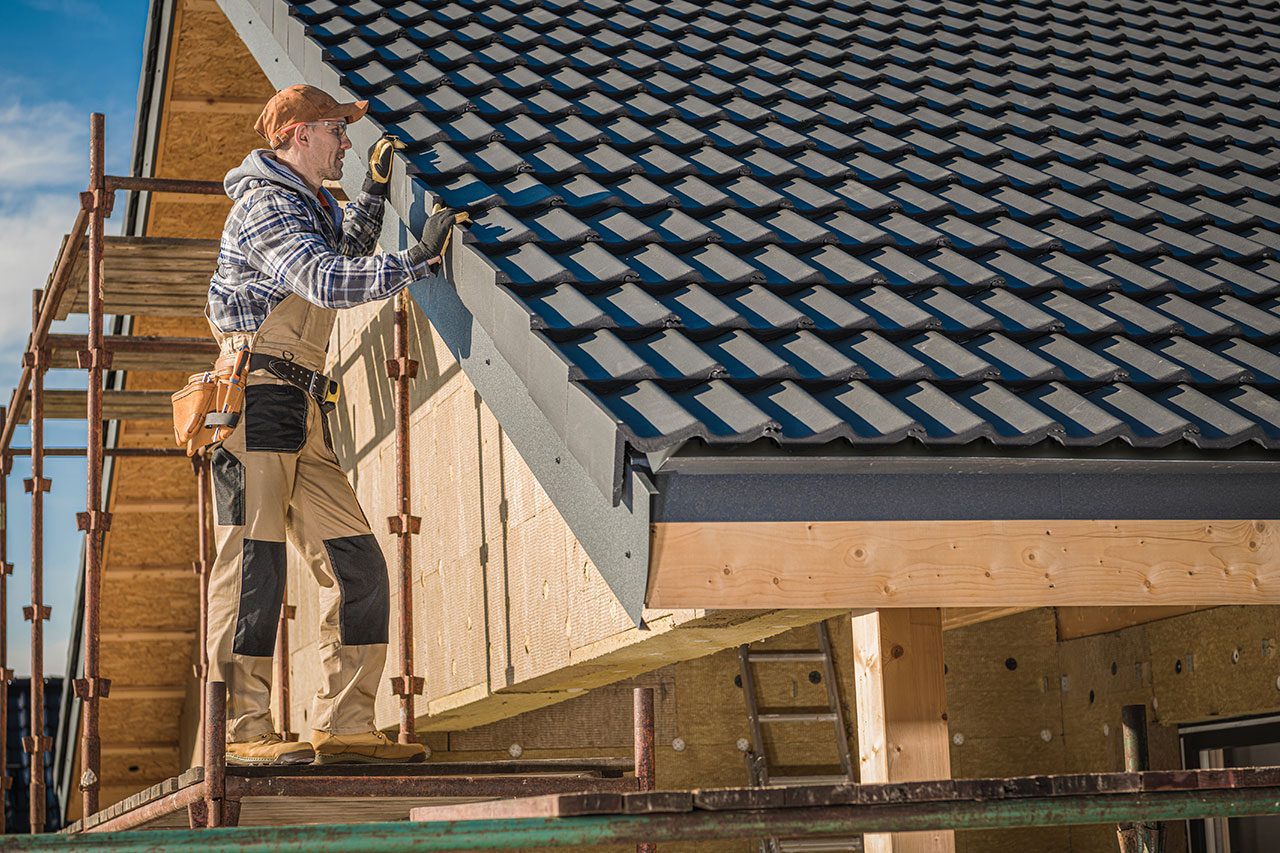
- Category: Roof Repair and Maintenance
Table of contents
What is Roof Sarking and Why is it Essential?
Roof sarking is a critical component in the construction and maintenance of residential and commercial roofs. It refers to a layer of laminated, foil-faced material that is installed beneath the roof tiles or sheets. This protective barrier serves multiple purposes, enhancing the overall performance and longevity of roofing systems. Understanding its functionalities and benefits is crucial for property owners to ensure their buildings are well-protected against various environmental elements.
One of the primary functions of roof sarking is to provide thermal insulation. By reflecting radiant heat, sarking helps maintain a comfortable temperature inside the building, regardless of the weather conditions outside. This can lead to significant energy savings, especially in regions experiencing extreme temperatures. Additionally, sarking acts as a secondary barrier that enhances a roof’s waterproofing capabilities. It prevents water ingress that can result from broken tiles or sheets, safeguarding the interior parts of the building from potential water damage.
Beyond its insulating and waterproofing properties, roof sarking also contributes to a building’s overall structural integrity. It can prevent dust and wind-driven rain from entering the roof cavity, which is particularly beneficial in areas prone to harsh weather conditions. Moreover, sarking improves fire safety by providing a flame-retardant layer that helps slow the spread of fire, a vital feature in bushfire-prone zones. The installation of roof sarking during the construction stage or its addition during roof restoration work is a wise investment towards enhancing building protection and comfort.
The Benefits of Installing Roof Sarking in Your Home
Roof sarking is an essential component often overlooked in roofing projects, yet its inclusion can drastically improve your home’s overall functionality and protection. This layer of protection beneath your tiles or roofing material offers several key benefits that can enhance the longevity and efficiency of your roof. Understanding these advantages is crucial for homeowners considering updating or maintaining their roofing systems.
Enhanced Thermal Performance
Installing roof sarking can significantly improve your home’s thermal efficiency. By acting as an extra layer of insulation, sarking helps to keep your home warmer in winter and cooler in summer. This not just provides increased comfort for inhabitants but also reduces the reliance on heating and cooling systems, leading to noticeable savings on energy bills. The reflective surface of many sarking materials further helps by reflecting heat away from the roof in hot weather, maintaining a more consistent and comfortable indoor temperature year-round.
Increased Moisture Protection
Another notable benefit of roof sarking is its ability to protect your home from water damage. Sarking serves as an additional barrier against moisture infiltration, which can be crucial during heavy rainstorms or in areas prone to harsh weather conditions. By preventing water from seeping through and causing structural damage to the roof and interior ceilings, it helps maintain the integrity of your home. Furthermore, it also reduces the risk of mould and mildernal growth, which are common afflictions in damp areas, thereby improving the indoor air quality and health environment within your home.
Durability and Structural Integrity
The installation of roof sarking can play a significant role in enhancing the durability and structural integrity of your roof. It acts to distribute loads and stresses more evenly across the roof surface, reducing the risk of tiles or roofing materials becoming dislodged in extreme weather conditions such as high winds. Additionally, sarking can help prevent dust and debris from entering the roof cavity, maintaining the cleanliness and efficiency of roof spaces used for storage or housing utilities. This culminates in an extension of the lifespan of your roof, making it a valuable long-term investment for the savvy homeowner.
Step-by-Step Guide to Roof Sarking Installation
Roof sarking is an essential component in the construction and renovation of homes, especially in areas prone to extreme weather conditions. It acts as an additional layer of protection for your roof, offering insulation, water resistance, and improved energy efficiency. At Gold Coast Local Roofers, we understand the importance of correctly installing roof sarking to maximise its benefits. This guide will walk you through the step-by-step process, ensuring your roof sarking installation goes smoothly.
Preparation and Safety Measures
Before embarking on the installation process, it’s crucial to prepare adequately and observe safety measures. First, ensure you have all necessary materials and tools, including the sarking material, staple gun, utility knife, and safety equipment such as gloves, goggles, and a safety harness. It’s also vital to check the weather forecast; ideally, choose a calm, dry day for your installation. Remember, safety should always be your top priority, so secure your ladder firmly and use your safety harness at all times during the installation.
Installation Process
- Starting at the Bottom: Begin the installation from the bottom edge of the roof, rolling out the first strip of sarking along the eaves and fixing it in place using a staple gun. Ensure it’s laid out smoothly and tightly, with no wrinkles or creases.
- Overlapping Layers: When applying the next strip, make sure it overlaps the first one by about 150mm. This overlap is crucial for creating a waterproof barrier that effectively prevents water ingress.
- Securing the Sarking: Continue rolling out, overlapping, and stapling the sarking across the entire roof area. When you reach penetrations such as vents or chimneys, carefully cut the sarking to fit around these features, ensuring you maintain the integrity of the waterproof layer.
- Finishing Touches: Once the entire surface is covered, trim any excess sarking material at the edges, ensuring it fits perfectly around the roof perimeter. The final step involves sealing all overlaps and edges with a suitable tape, further enhancing the waterproofing and insulative properties of the sarking.
Installing roof sarking is a meticulous process that requires attention to detail and a focus on safety. Gold Coast Local Roofers are experts in all phases of roofing work, including the critical task of sarking installation. Following this guide will help ensure your roof is well-protected against moisture, leaks, and thermal transfer, significantly contributing to the longevity and efficiency of your roofing system.
Roof Sarking vs. Roof Insulation: What’s the Difference?
When considering the components that make up a well-constructed roof, both roof sarking and roof insulation play pivotal roles, yet they serve distinct purposes. Understanding the difference between these two materials is crucial for homeowners looking to enhance the energy efficiency and protection of their homes.
Understanding Roof Sarking
Roof sarking is a layer of laminated, reflective foil placed under the roofing material, directly on the rafters. It acts primarily as a barrier to moisture and radiant heat. The shiny surface of the sarking reflects heat away in the summer, helping to keep homes cooler. In the winter, it works to retain warmth within the house. Additionally, roof sarking provides an extra layer of protection against wind-driven rain and dust, ensuring the roof space remains dry and reducing the potential for mould growth.
The Role of Roof Insulation
Roof insulation, on the other hand, is more directly concerned with minimising the transfer of heat through the roof itself. Made from materials such as fibreglass, cellulose, or foam, insulation is typically installed either between the rafters, under the roof surface, or in the attic floor. Its primary function is to slow down the movement of heat, which can drastically reduce energy bills. During the colder months, insulation keeps warmth from escaping the house, while in the warmer months, it prevents excessive heat from entering, maintaining a comfortable indoor temperature year-round.
Both roof sarking and roof insulation are essential in creating an energy-efficient and comfortable home environment. While they both contribute to thermal regulation, their methods and installation processes differ significantly. Roof sarking offers an additional layer of moisture protection and improves a roof’s overall weather resistance, whereas roof insulation focuses intensely on optimising the home’s thermal performance. Incorporating both elements into your roofing system can dramatically enhance your home’s protection against the elements and contribute to significant energy savings.
Choosing the Right Roof Sarking for Your Climate and Home
Roof sarking plays an invaluable role in protecting your home from the elements, enhancing thermal performance, and potentially reducing energy costs. When selecting the right roof sarking for your climate and home, understanding the different types and their benefits is crucial. Sarking is a layer of laminated, reflective foil installed under the roof material that can significantly impact your home’s insulation and waterproofing capabilities.
In areas with extreme weather conditions, the choice of roof sarking material becomes even more critical. For hot climates, reflective roof sarking is recommended as it helps in reflecting the sun’s heat away from the home, keeping the interior cooler and reducing the reliance on air conditioning. Conversely, In colder regions, a breathable sarking with high insulation properties is ideal for maintaining warmth inside the house. This type of sarking allows moisture to escape from the roof cavity, reducing the risk of dampness and mould growth.
It’s also essential to consider the specific requirements of your home’s design and structure. Homes with metal roofs, for example, may benefit from anticondensation sarking, which prevents condensation buildup that could lead to rust and damage. For tiled roofs, a high-permeability sarking option would ensure moisture can escape, keeping the roof structure dry and intact. Homeowners should consult with roofing experts like those at Gold Coast Local Roofers to determine the best sarking solution tailored to their home’s unique needs and local climate conditions.