
- Roof Repair and Maintenance
Table of contents
Understanding Roof Leak Insurance Coverage
When it comes to protecting your home, understanding the specifics of your roof leak insurance coverage is crucial. Many homeowners are surprised to find out that their policy’s details can greatly affect their ability to claim repairs for roof damage. Generally, homeowner’s insurance covers roof leaks and related damage if it’s caused by unforeseen circumstances, such as severe weather or accidental events. However, the coverage specifics can vary widely between different insurance policies and providers.
It’s essential to know the limitations of your insurance coverage regarding roof leaks. Some policies may only cover the cost of repairs if the damage is sudden and accidental. This means that gradual damage, which occurs over time like wear and tear or a lack of maintenance, might not be covered. Additionally, certain causes of damage, such as earthquakes or poor construction, may require additional riders or may not be covered at all. Reviewing your policy closely or consulting with your insurance agent can help clarify these aspects.
Factors That Influence Coverage
Determining what is covered under roof leak insurance can depend on several key factors. Firstly, the age of your roof plays a significant role. Some insurance companies have different coverage levels for roofs over a certain age, typically 20 years. Secondly, the cause of the roof leak is critically evaluated; standard policies usually cover events like vandalism, fires, and extreme weather conditions, excluding neglect or lack of maintenance. Lastly, the type of policy you hold (actual cash value vs. Replacement cost) can significantly affect your coverage, influencing whether you’ll be reimbursed for the full cost of replacing your roof or just for its depreciated value at the time of damage.
Understanding the exclusions and limitations of your roof leak insurance coverage is as important as knowing what is covered. Many policies have specific exclusions that homeowners might not be aware of, leading to unexpected out-of-pocket expenses when they need repairs the most. Ensuring you have comprehensive knowledge of your policy can aid in making informed decisions about additional coverage options or whether you need to consider upgrading your existing insurance plan to more adequately protect your home from future roof leaks and related damages.
How to File a Claim for Roof Leak with Your Insurance Company
Filing a claim for a roof leak with your insurance company might seem daunting, but it is crucial to ensuring your home remains in top condition without bearing the brunt of high repair costs. The first step is to review your insurance policy closely. Understanding what is and isn’t covered under your policy can save you a lot of time and prevent any surprises during the claims process. Most homeowner policies cover roof damage that’s sudden or accidental, but terms can vary significantly.
Once you’ve reviewed your policy, it’s time to document the damage. Take clear, detailed photos and videos of the leak and any visible damage to the roof and the interior of your home. This evidence will be crucial in supporting your claim. It’s also a good idea to jot down the date you first noticed the leak and any weather conditions that could have contributed to the damage. Such meticulous documentation can expedite your claim process.
After documenting the damage, contact your insurance company as soon as possible to report the issue and initiate the claims process. You will likely be assigned a claim adjuster who will assess the damage and determine the coverage. Be prepared to provide all the documented evidence you’ve collected. Additionally, obtaining estimates from reputable roofing companies, like ours at Gold Coast Local Roofers, can provide a clearer picture of the repair costs involved. Include these estimates when you file your claim to ensure a more accurate assessment.
Finally, it’s essential to understand the claims process. Your insurance company should provide you with detailed information on how to proceed and what to expect. This may include a timeline for the claims process, any deductibles that apply, and how the funds for repairs will be disbursed. Staying informed and actively participating in the process can help ensure a smoother resolution to your roof leak claim.
What Types of Roof Damage Are Covered by Insurance?
When it comes to roof damage, understanding what is covered by your insurance policy is crucial for homeowners. Generally, insurance policies cover damages that are sudden and accidental, meaning they are unforeseen and not due to neglect or age. Common types of covered damages include those resulting from natural disasters and "acts of God."
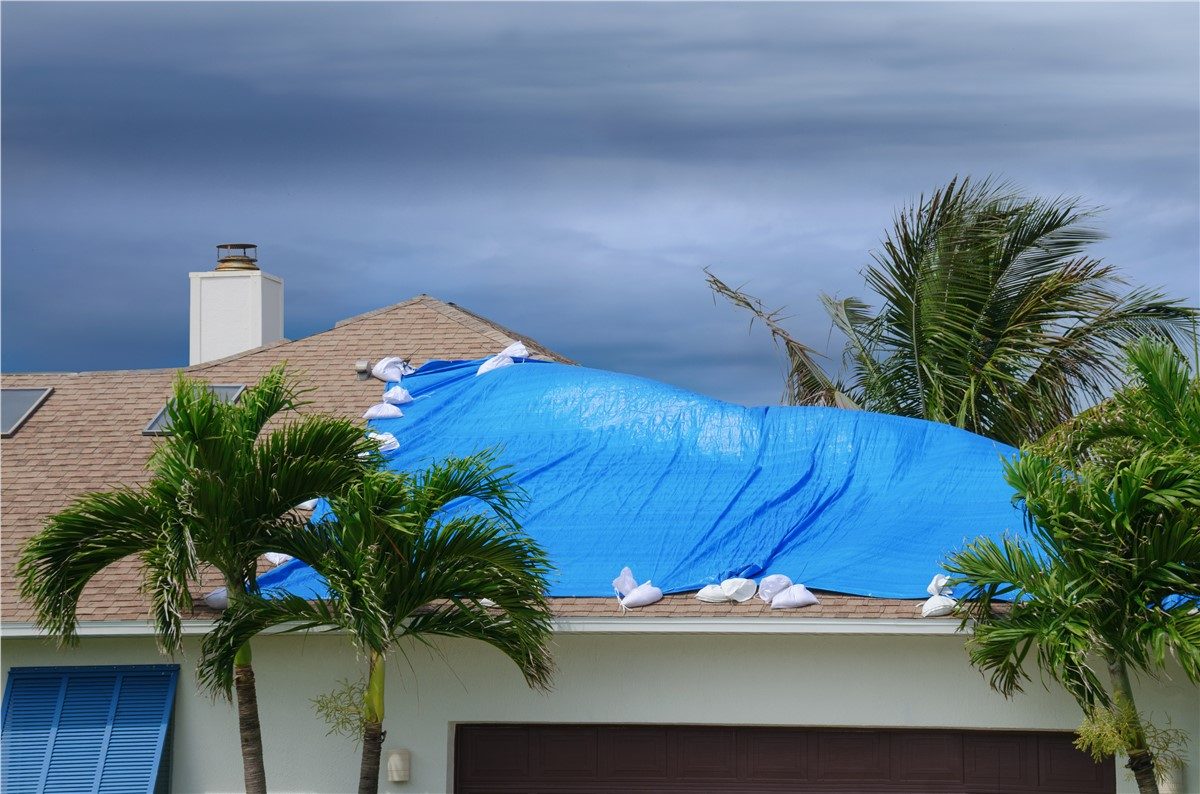
Storm-related Damage: This is perhaps the most common type of roof damage covered by insurance. Storms may bring high winds, hail, or heavy rains that can heavily damage roofs. Whether it’s shingles torn away by the wind or punctures from hail, these damages are typically covered. However, it’s important to document the damage as soon as possible and to be aware of any specific conditions in your policy regarding storm damage.
Vandalism and Fire Damage: While less common than storm damage, vandalism and fire are also incidents usually covered by homeowners insurance. Acts of vandalism against your roof or fire damage, whether partial or total, are events that most policies will cover, helping you to repair or replace parts of your roof that have been affected.
Exclusions and Consideraions
Even though many types of roof damage are covered by insurance, there are exclusions and considerations to keep in mind. For instance, damages caused due to lack of maintenance or normal wear and tear are generally not covered. Moreover, each policy has its own terms regarding the age of the roof and the type of damage, which might affect coverage. It’s imperative for homeowners to thoroughly review their policy and consult with their insurer to understand the specifics of their coverage.
Tips for Preventing Roof Leaks and Ensuring Your Claim Gets Approved
Dealing with roof leaks can be a frustrating experience for homeowners. However, there are proactive steps you can take to not only prevent roof leaks but also ensure that if you have to make an insurance claim, it gets approved without hassle. By regularly maintaining your roof and being strategic about how you document any damage, you can safeguard your home and wallet.
Maintain Your Roof Regularly: One of the most effective ways to prevent roof leaks is through regular maintenance. Ensuring that your roof is in optimal condition can significantly reduce the likelihood of unexpected leaks. This includes cleaning gutters and downspouts to prevent water backup, removing debris from the roof surface, and trimming overhanging branches that could potentially damage your roof during a storm. Additionally, conducting regular inspections can help identify and address minor issues before they escalate into larger problems.
Document Everything: In the event of a roof leak, having detailed documentation can be crucial for your insurance claim’s approval. Take photos or videos of any damage before repairs are made. Keep a record of all maintenance work, including dates and what was done. This documentation can serve as valuable evidence that you have maintained your roof properly, which can be beneficial when filing an insurance claim. It is also advisable to review your insurance policy regularly to understand what is covered and ensure that your coverage is up to date.
Choose Quality Materials and Professional Installation: When repairs or replacements are necessary, opting for high-quality materials and professional installation is key. Although it might be tempting to save money with cheaper options or DIY fixes, investing in quality can extend the lifespan of your roof and potentially prevent leaks. Additionally, many insurance companies require that certain standards are met for coverage to apply. Using reputable roofing professionals like Gold Coast Local Roofers ensures that any work is done correctly, which can further protect your claim eligibility.
Case Studies: Real-Life Examples of Roof Leak Insurance Claims
Dealing with roof leaks can be a daunting experience for homeowners, but having the right insurance policy makes a significant difference in handling such situations effectively. Through the lens of real-life case studies, we gain insights into how different scenarios of roof leak insurance claims are managed. By exploring these examples, homeowners can better understand the processes and outcomes associated with filing insurance claims for roof leaks, ensuring they are well-prepared should they face similar issues.
Case Study 1: The Unexpected Storm
In one notable instance, a homeowner faced sudden and severe roof damage due to an unexpected storm. The homeowner promptly filed an insurance claim, detailing the extent of the damage with photographic evidence and a thorough inspection report. The insurance company, recognising the validity of the claim and the urgency of the repairs, approved full coverage for the roof repairs. This case highlights the importance of timely action and well-documented evidence when dealing with roof leak insurance claims.
Case Jou Study 2: Age-Related Wear and Tear
Another case involved a homeowner whose roof leak was attributed to age-related wear and tear, a scenario often met with skepticism by insurance companies. Initially, the insurance claim was denied on the grounds that the damage was due to neglect rather than a sudden, covered event. However, upon appeal and providing detailed maintenance records, the homeowner successfully demonstrated that the leak was an inevitable outcome of ageing materials, leading to partial coverage for the repairs. This underscores the necessity of maintaining and documenting regular roof upkeep when seeking insurance support for older roofs.
Case Head Study 3: Improper Installation Claims
A different scenario unfolded when a homeowner discovered that their roof leak was the result of improper installation by a previous contractor. The complex nature of this claim required the homeowner to navigate through various challenges, including proving the origin of the defect. With the aid of an independent roof inspector’s report that clearly identified the installation faults, the homeowner was able to file a successful insurance claim. This case illustrates the critical role of expert evaluations in substantiating claims related to construction defects.