
- Category: Roof Repair and Maintenance
Table of contents
What Is Roof Fascia and Why Is It Important for Your Home?
The roof fascia plays a crucial but often underappreciated role in the construction and maintenance of your home. Essentially, it is a band running horizontally and situated vertically under a roof edge. Forming the outer surface of the cornice, the fascia extends along the line of the roof, connecting the ends of the rafters and trusses while supporting the bottom row of tiles and all the guttering. This structural element is not just a finishing touch to the house’s exterior appearance; it holds significant functional importance as well.
One of the primary reasons the roof fascia is vital for your home is its role in protecting the roof structure and interior of your house from water damage. By supporting the guttering system, fascias facilitate the proper drainage of rainwater, preventing it from infiltrating the roof and the walls of the building. Without a well-maintained fascia, water can easily seep into the house, causing damages like mould growth and wood rot, which can compromise the structural integrity of your home over time.
Beyond its critical protective functions, the fascia also contributes significantly to the overall aesthetic appeal of a property. It creates a smooth, finished look along the roof’s edge, hiding the ends of the rafters from view. This clean appearance can enhance not just the curb appeal but potentially the property value as well. Additionally, fascia boards provide a solid mount for outdoor lighting and gutter attachment, offering both practicality and an opportunity to improve home aesthetics.
Another important aspect of roof fascia is its role in preventing animals from entering the attic or roof space. By closing off the gap between the roof and the walls, fascias serve as a barrier to birds, rodents, and other pests that might otherwise find their way into these areas and cause damage or health issues. Therefore, ensuring your home’s fascia is in good condition is essential not only for the aesthetics and protection of your home but also for maintaining a healthy living environment.
Common Problems with Roof Fascia and How to Identify Them
The roof fascia on your home plays a critical role in protecting your roof and the interior of your house from water damage. However, due to its location and function, fascia boards are often susceptible to a range of problems. Understanding these issues can help homeowners take timely action to mitigate damage and extend the lifespan of their roofing systems.
Water Damage and Rot
One of the most common issues affecting roof fascia is water damage, leading to wood rot. This typically occurs when gutters are clogged, broken, or improperly installed, causing water to overflow and consistently contact the fascia boards. Over time, this moisture exposure can cause the fascia to deteriorate. Signs of water damage and rot include soft spots, discoloration, and visible mould or mildew on the fascia. Regular inspection, especially after heavy rains, can help identify these symptoms early.
Pest Infestation
Another prevalent problem is pest infestation. Fascia boards can become an inviting home for insects like termites and carpenter ants, or even small rodents, leading to structural damage. The key indicators of an infestation include visible holes, sawdust piles, and hearing noises from within the fascia. Early detection and intervention are crucial to preventing extensive damage and costly repairs.
Warping and Cracks
Exposure to extreme weather conditions can also cause the fascia boards to warp or crack. Warping might occur due to the constant cycle of wetting and drying, while cracks are often the result of prolonged exposure to the sun’s UV rays. These issues not only affect the aesthetic appeal of your home but can also compromise the structural integrity of the fascia. Look for uneven or bending areas, as well as any cracks, however small, as signs of potential warping and cracking. Regular maintenance, including painting or sealing the fascia, can help protect against these common problems.
Step-by-Step Guide to DIY Roof Fascia Repair
Repairing your roof fascia can seem like a daunting task, but with the right guidance and tools, it’s a DIY project that can save you hundreds. The fascia board runs along the lower edge of your roof, supporting the bottom row of tiles and carrying all the guttering. It’s critical to keep this component in top shape to avoid water damage and maintain your home’s aesthetics. Here’s a straightforward, step-by-step guide to repairing your roof fascia on your own.
1. Assess the Damage
Before you start, it’s important to assess the extent of the damage to your fascia. Look out for signs of rot, cracks, or detachment from the rest of the roof structure. If the damage is extensive, consider replacing the entire length of the fascia board rather than patching it up. For minor issues, a simple repair will suffice. Remember, safety first - ensure you’re equipped with a sturdy ladder and someone knows you’re working on the roof.
2. Remove the Damaged Section
Carefully remove any nails or screws holding the damaged fascia in place. If your fascia is painted or sealed, you might need to cut through caulk lines with a utility knife to free the board. Exercise caution to avoid damaging the surrounding materials. Once the board is loosened, gently remove it from its position. This might be an excellent time to inspect the soffit and guttering for any signs of wear and tear.
3. Install the New Fascia
Measure the gap left by the old fascia and cut your new board to fit perfectly. It’s crucial to use treated lumber or a material that’s resistant to rot and moisture, ensuring a longer lifespan for your repair. Apply a primer and paint the board matching your home’s exterior before you install it. This pre-painting step will seal the wood against moisture and make the installation cleaner. Secure the new fascia in place with nails or screws, ensuring it’s flush and aligned with your roof line. Pay careful attention to not damage the board during installation. Once in place, you can reattach the guttering and finish off with a coat of paint for a seamless look.
Protecting Your Roof Fascia: Tips for Maintenance and Longevity
The fascia, an integral component of your home’s roofing system, acts as a barrier between the outside world and your roof’s interior. It’s not only crucial for aesthetics but also plays a significant role in protecting your roof from water damage. Regular maintenance is key to ensuring its longevity and functionality. Here are some invaluable tips to help you protect and maintain your roof fascia, keeping it in prime condition for years to come.
Regular Cleaning and Inspection: One of the most effective ways to protect your roof fascia is through regular cleaning and inspection. At least twice a year, it’s important to clear away any debris, leaves, and dirt that can accumulate and trap moisture against the fascia board. This moisture can lead to rot, which not only affects the fascia but can also seep into your home’s structure. During your cleaning routine, inspect the fascia for signs of damage or wear, such as cracks or peeling paint, and address these issues promptly to prevent further deterioration.
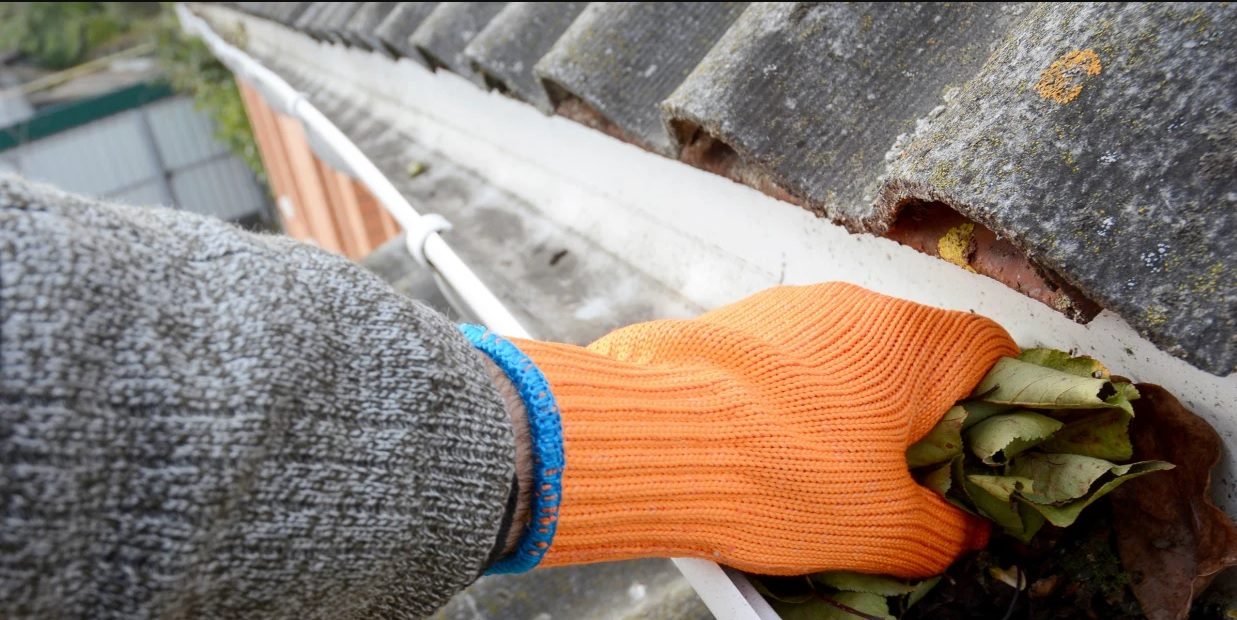
Ensure Proper Gutter Maintenance: Gutters play a pivotal role in protecting your fascia boards from water damage. A clogged gutter can overflow, leading to water spilling over the edge and soaking the fascia, which, over time, can cause rot and decay. To safeguard your fascia, ensure that your gutters are cleaned out regularly and downspouts are directing water away from your home’s foundation. Additionally, consider installing gutter guards to minimise the buildup of leaves and debris, thus reducing the risk of overflow and subsequent damage to the fascia.
Improving Ventilation and Eliminating Pests:
An often overlooked aspect of fascia maintenance is the significance of proper attic ventilation. Poor ventilation can lead to excess moisture buildup, not just in your attic but also affecting your fascia boards. Ensure your attic is well-ventilated to regulate temperature and moisture levels. Furthermore, be vigilant about removing pests such as squirrels or birds that may nest in and damage the fascia. Regularly inspect for and seal off any openings that could serve as entry points for these critters, as part of your maintenance routine. These proactive steps can significantly extend the life of your roof fascia, contributing to the overall health and resilience of your home’s roofing system.You may also be interested in: Expert Roof Bedding and Pointing Services | Gold Coast Local Roofers
When to Call a Professional for Your Roof Fascia Needs
Identifying the right time to call in a professional for your roof fascia needs can save you from significant roof damage and costly repairs down the line. The roof fascia, which is the band running horizontally and situated vertically under a roof edge, plays a crucial role in protecting the roof and the interior of your home from water damage. Knowing the signs that indicate the need for a professional’s attention is essential for maintaining the integrity of your roofing system.
Signs of Damage or Wear
One clear indicator that it’s time to call in a professional is when you notice visible signs of damage or wear on your roof fascia. Look out for cracks, splinters, or rot, which are common in wooden fascias. Water damage can also manifest as discoloration or soft spots in the material. These issues, if not addressed promptly by a professional roofer, can lead to more severe problems, such as leaks or structural damage to your home.
Pest Infestation
Another situation where you should consider enlisting the expertise of a roofing specialist is when there is evidence of pest infestation near or in your roof fascia. Common culprits include termites, carpenter ants, and rodents, which can compromise the structural integrity of the fascia. An expert will not only address the infestation but also repair any damage caused by the pests, ensuring your fascia is restored to its optimal condition.
Lastly, if your home has recently endured severe weather conditions - such as a major storm or hail - it’s a prudent decision to have a professional inspect your roof fascia for any hidden damage. Sometimes, the impacts of harsh weather can be subtle and go unnoticed to the untrained eye, but they can significantly affect the lifespan of your fascia. A professional roofer can assess the situation accurately and carry out the necessary repairs or replacements, preventing any potential issues from escalating.
By keeping an eye out for these signs and acting swiftly to involve a roofing professional, you can ensure that your roof fascia remains in good condition, safeguarding your home against a range of external elements.