
- Category: Roof Design Tools
Table of contents
- 1.What is Polycarbonate Roofing and Its Advantages?
- 2.Types of Polycarbonate Roofing Materials for Your Home or Business
- 3.How to Install Polycarbonate Roofing: A Step-by-Step Guide
- 4.Maintenance Tips for Polycarbonate Roofing: Ensuring Longevity and Performance
- 5.Why Choose Polycarbonate Roofing for Your Next Renovation Project
What is Polycarbonate Roofing and Its Advantages?
Polycarbonate roofing is a type of roofing system that has gained significant popularity among homeowners and builders alike for its outstanding balance of durability and aesthetic appeal. Composed of a tough thermoplastic material, polycarbonate roofing panels are designed to withstand extreme weather conditions, making them an ideal choice for a wide range of applications. From residential homes to commercial buildings, polycarbonate roofing provides an efficient and practical solution for those seeking to enhance their property’s protection against the elements.
One of the primary advantages of polycarbonate roofing is its remarkable strength-to-weight ratio. Despite being lightweight, these panels are virtually unbreakable and can resist impacts that would damage other types of roofing materials. This resilience makes polycarbonate roofing an excellent option for areas prone to severe weather phenomena such as hailstorms or heavy snowfall. Furthermore, polycarbonate roofs are equipped with UV filters, ensuring that harmful ultraviolet rays are blocked, thus protecting the interior of buildings from sun damage.
In addition to its durability, polycarbonate roofing offers exceptional versatility. Available in a variety of colours and finishes, it easily complements any architectural design. From clear panels that mimic the appearance of glass to tinted options that provide shade and reduce glare, polycarbonate roofing can be tailored to meet specific aesthetic preferences and functional requirements. Moreover, its ease of installation compared to other roofing materials significantly reduces labour costs, making it a cost-effective solution for both renovations and new constructions.
Another significant advantage of polycarbonate roofing is its thermal efficiency. The material’s inherent insulation properties help to maintain stable indoor temperatures, reducing the need for additional heating or cooling. This not only contributes to a more comfortable living or working environment but also leads to savings on energy bills. By choosing polycarbonate roofing, property owners can enjoy enhanced energy efficiency along with the peace of mind that comes with knowing their roof is built to last.
Types of Polycarbonate Roofing Materials for Your Home or Business
When selecting the best roofing materials for your home or business, polycarbonate roofing presents an excellent and versatile option. Known for its durability, light transmission, and range of applications, it’s important to understand the different types of polycarbonate roofing materials available to ensure you make the most informed decision for your needs.
Solid Polycarbonate Sheets are one of the most commonly utilised types of polycarbonate roofing materials. These sheets are transparent, offering clarity similar to that of glass, but with far superior strength and impact resistance. Solid polycarbonate is virtually unbreakable and provides UV protection, making it an ideal choice for areas exposed to sunlight. It’s perfect for skylights, conservatories, and greenhouses where light transmission is crucial.
Multiwall Polycarbonate Panels, another popular option, consist of multiple layers that trap air between them, providing outstanding thermal insulation. This structure not only optimises energy efficiency by keeping spaces warmer in the winter and cooler in the summer but also adds to the material’s strength. Multiwall panels are light yet strong, easy to install, and come in various thicknesses and colours, accommodating a wide range of architectural needs, from commercial buildings to residential patios.
Corrugated Polycarbonate Sheets
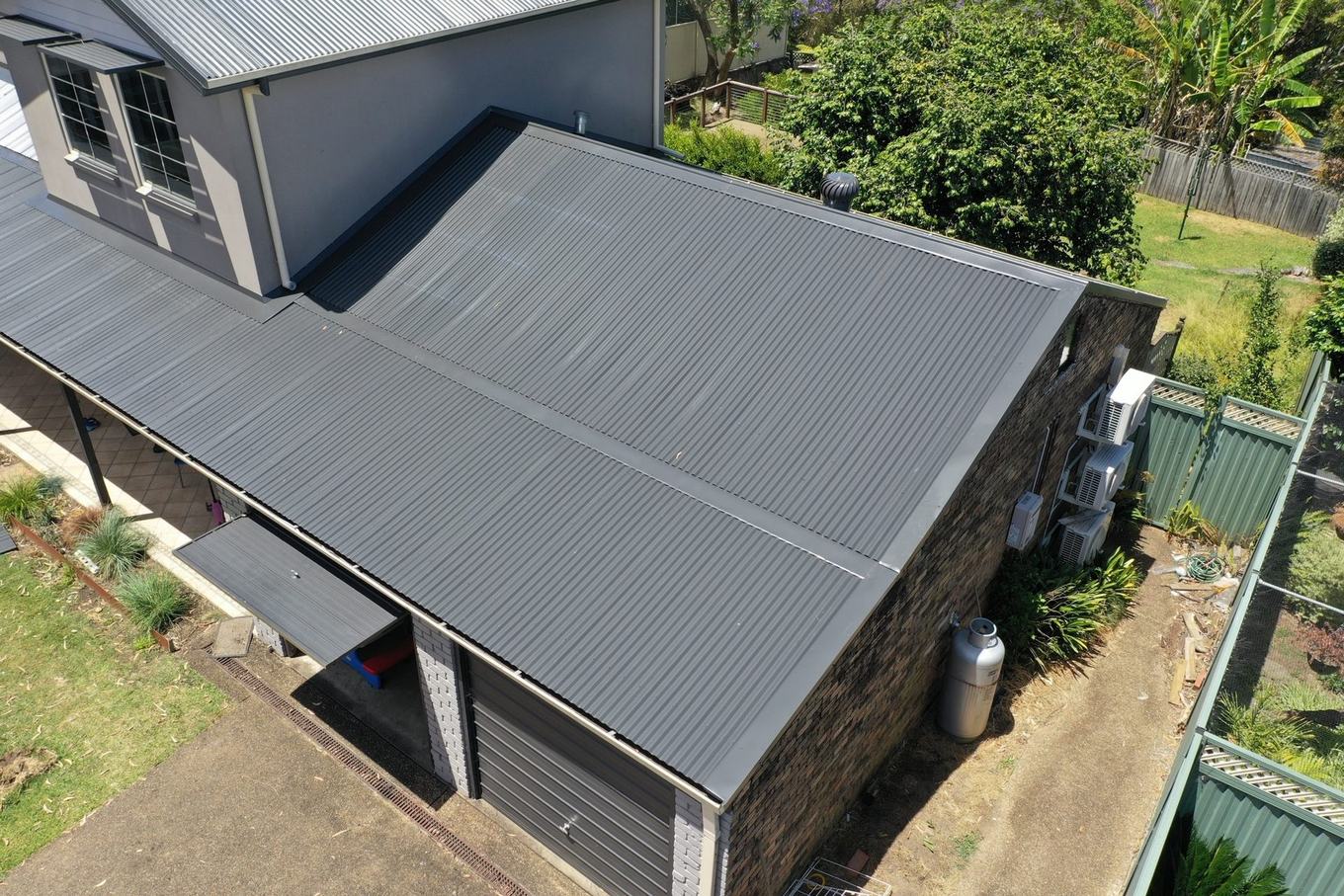
For those looking for a material that combines flexibility with durability, Corrugated Polycarbonate Sheets offer an excellent solution. These sheets are highly resistant to weather, impacts, and UV radiation, making them suitable for both commercial and residential roofing projects. The corrugated form allows for easy water run-off and provides an aesthetic appeal that complements various architectural styles. Available in a range of colours and transparencies, they can be used to enhance natural lighting while protecting interiors from the elements.
How to Install Polycarbonate Roofing: A Step-by-Step Guide
Installing polycarbonate roofing is a practical choice for many homeowners due to its durability and ability to let natural light into your space. Whether you’re adding a cover to your patio or upgrading your greenhouse, understanding the proper installation technique is crucial. This guide will walk you through the essential steps to ensure your polycarbonate roofing installation is successful and long-lasting.
Prepare the Roof Structure
Before laying the first panel, preparation is key. Ensure that the roof structure is stable, clean, and free of debris. It’s also important to check the alignment of the rafters or purlins they must be evenly spaced to support the polycarbonate sheets evenly. This step prevents future structural issues and ensures a smooth installation process.
Installing the Polycarbonate Panels
Start by positioning the first panel at one end of the roof, making sure it overlaps the structure as necessary for water runoff. It’s critical to leave a slight gap between each panel to allow for thermal expansion. Each panel should be secured using screws with neoprene washers at the pre-drilled holes located at the manufacturer’s specified intervals. To ensure optimal durability and to prevent leaks, make sure to screw the panels into the raised part of the wave or corrugation, not the valley.
Sealing and Finishing Touches
After all the panels are securely in place, the next step is to apply sealant along the edges to waterproof your roof effectively. Choose a sealant that is compatible with polycarbonate material to avoid any chemical reactions that could damage the sheets. Finally, install the flashing along the perimeter of the roof to provide an extra barrier against water. Remember, the longevity of your polycarbonate roofing significantly depends on the quality of the installation. Paying attention to these details will ensure that your roofing is not only aesthetically pleasing but also functional and durable.
Maintenance Tips for Polycarbonate Roofing: Ensuring Longevity and Performance
Polycarbonate roofing, renowned for its durability and versatility, is a popular choice among homeowners and commercial establishments alike. To maintain its integrity and ensure optimal performance, a regular maintenance routine is essential. One key aspect of this regimen involves regular cleaning. Polycarbonate panels should be cleaned periodically with mild soap and lukewarm water to remove debris, dirt, and residues that can accumulate over time. This not only maintains the aesthetic appeal of the roofing but also prevents the buildup of materials that could degrade the polycarbonate material over time.
Another vital maintenance tip is to check for scratches and damage regularly. Despite polycarbonate’s strength, it is susceptible to scratches and dents, which can impair its appearance and functionality. Small cracks or fractures can also grow over time if not addressed promptly, leading to potential leaks or structural weaknesses. Homeowners should inspect their polycarbonate roofing for any signs of wear and tear and consider using repair kits or professional services to address issues before they escalate.
Ensuring Proper Drainage
Maintaining proper drainage is quintessential for the longevity of polycarbonate roofing. Blocked gutters and downspouts can lead to water accumulation, which not only poses a risk of leakage but can also place undue stress on the roofing structure. Regularly cleaning the gutters and ensuring that water flows freely can help prevent these issues. Additionally, inspecting the seals and joints for leaks or gaps and addressing them promptly ensures that water remains directed away from the structure, safeguarding the roof’s structural integrity and performance.
Adhering to a routine maintenance schedule for polycarbonate roofing not only extends its lifespan but also ensures it continues to perform at its best. By incorporating these maintenance tips into your regular upkeep routines, you can enhance the durability and longevity of your polycarbonate roofing, making it a lasting investment in your property’s value and security.
Why Choose Polycarbonate Roofing for Your Next Renovation Project
Choosing the right materials is crucial for any renovation project, and when it comes to roofing, polycarbonate stands out as a top contender. Polycarbonate roofing offers a combination of durability, versatility, and aesthetic appeal that makes it a preferred choice for homeowners and contractors alike. Its unique properties enable it to withstand extreme weather conditions, from blistering heat to frigid cold, ensuring your home remains protected year-round.
Durability is a hallmark of polycarbonate roofing. Unlike traditional roofing materials that can crack, warp, or fade over time, polycarbonate is resistant to impact, UV rays, and temperature fluctuations. This resilience translates to a long-lasting roof with minimal maintenance required. Its impact resistance is particularly beneficial in areas prone to severe weather, ensuring that your roof remains intact even in the face of hailstorms or falling debris.
Versatility is another key advantage of polycarbonate roofing. Available in a wide range of colours and styles, it can easily be adapted to suit any architectural design. Whether you’re looking for a sleek, modern finish or a more traditional look, polycarbonate can be moulded to meet your aesthetic preferences. Additionally, its lightweight nature makes it easy to install, reducing labour costs and shortening project timelines.
The aesthetic appeal of polycarbonate roofing should not be underestimated. Its translucency can transform spaces by allowing natural light to pass through, creating bright, inviting interiors without compromising on privacy or thermal efficiency. This feature is especially beneficial for areas like patios, greenhouses, or any space where natural light is a crucial element of the design. As a result, choosing polycarbonate for your renovation project can enhance both the functionality and the beauty of your home.