
Table of contents
Identifying the Source of the Leak
Before you attempt any repair, the first step is to identify the source of the leak. Common causes of roof leaks include missing or damaged shingles, sealant failures around roof penetrations, and inadequate flashing. To locate the leak, check the attic or the highest point in your home during or after a heavy rain. Look for signs of water penetration, such as water stains, mould, or damp insulation.
Temporary Fixes
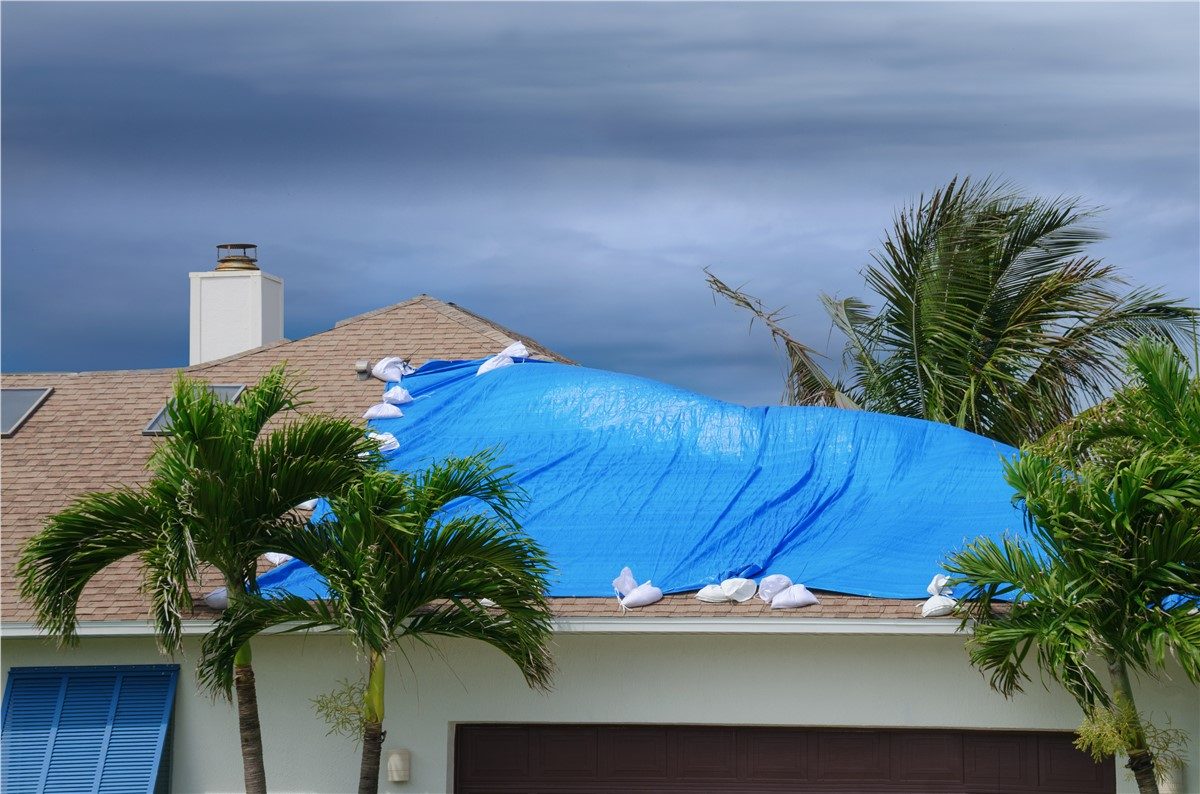
If you’ve identified the leak but are unable to perform a full repair immediately, consider temporary solutions to mitigate damage. A temporary patch can be created using roofing tar, a piece of shingle, or even a tarp. Remember, these solutions should only be used for short-term relief until the weather permits a proper repair.
Essential Tools and Materials
Having the right tools and materials is essential for a successful repair. Ensure you have the following on hand:
- Ladder
- Hammer
- Roofer’s cement
- Utility knife
- Roofing nails
- Pry bar
- Shingles
- Flashing
- Caulk
- Safety harness
Repairing Shingle Damage
If the leak is caused by damaged shingles, you’ll need to remove and replace them. Here’s how:
- Ensure your safety by wearing a harness and securing yourself.
- Use a pry bar to carefully remove shingles around the damaged area.
- Apply a generous amount of roof cement under the surrounding shingles to secure the area.
- Replace the removed shingles with new ones, nailing them securely in place.
- Seal the nail heads with roof cement to prevent future leaks.
Fixing Flashing Issues
Problems with flashing can also lead to leaks. Inspect areas where flashing is installed, such as around chimneys, vent pipes, and at roof joints. If you discover corrosion or gaps, you’ll need to either reseal or replace the flashing. Reapplying caulk or roof cement can often resolve minor issues, but for more significant damage, remove the old flashing and install new material, ensuring proper overlap and sealing.
Consider a Professional
While minor leaks can sometimes be repaired by a competent DIYer, major leaks or structural damage require the expertise of a professional. A licensed roofing contractor can assess the situation and ensure that the job is done safely and effectively. Don’t hesitate to call for help if the repair seems beyond your abilities.
Maintenance to Prevent Future Leaks
Regular maintenance is critical to extend the life of your roof and prevent future leaks. This includes periodic inspections, cleaning gutters, removing debris, trimming overhanging tree limbs, and addressing minor repairs promptly. A well-maintained roof is less likely to have issues, saving you time and money in the long run.
Conclusion
In conclusion, fixing a leaking roof is achievable if you take the right approach. Start by finding the source of the leak, address it with the appropriate solution, and use quality materials. Always prioritise safety and do not hesitate to seek professional assistance when necessary. With proper maintenance and prompt repair of small issues, your roof will remain in good condition, ultimately protecting your home from the elements.